
Regenerative Blower Category
Featured
Important Notes
Regenerative Blower Power Tool & Maintenance FAQ
What is a regenerative blower and how does it work?
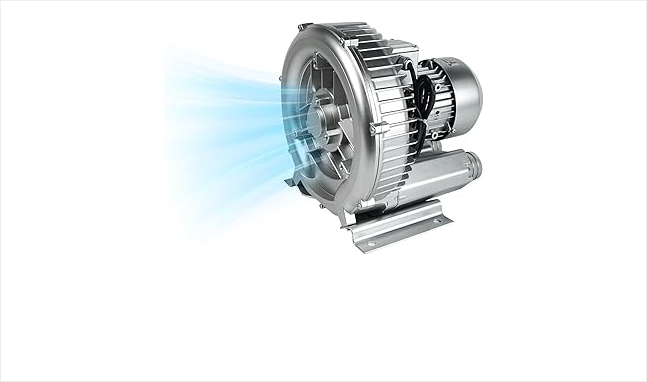
A regenerative blower is a dynamic compression device that uses a non-contact impeller to move air. As the impeller rotates, centrifugal force pushes air into the spaces between the blades and then back toward the base, creating a spiral motion that builds pressure through multiple stages of regeneration within a single revolution.
What are the primary applications for regenerative blowers?
Regenerative blowers are versatile power tools used for both pressure and vacuum applications. Common uses include industrial wastewater aeration, pneumatic conveying, vacuum lifting, dust collection, drying systems, and providing air for industrial spa or pool agitation.
What is the difference between a single-stage and double-stage blower?
A single-stage blower features one impeller and is designed for high airflow at moderate pressure levels. A double-stage (or two-stage) blower routes the air through two impellers in succession, allowing the unit to achieve significantly higher pressure or vacuum levels while maintaining a more compact footprint than larger single-stage models.
What routine maintenance is required for a regenerative blower?
Because they feature a non-contact design, regenerative blowers require minimal maintenance compared to positive displacement pumps. Essential tasks include cleaning or replacing intake filters to prevent debris from entering the housing, monitoring motor bearings for noise, and ensuring the cooling fans are clear of dust to prevent overheating.
Can I regulate the airflow of a regenerative blower?
Yes, airflow can be regulated using two primary methods. For mechanical control, a relief valve or bypass valve can bleed off excess pressure or vacuum. For electronic control and energy efficiency, a Variable Frequency Drive (VFD) can be used to adjust the motor speed, allowing the blower to match the specific demands of the application.
Find Packaging Ideas
Our Articles on Regenerative Blower
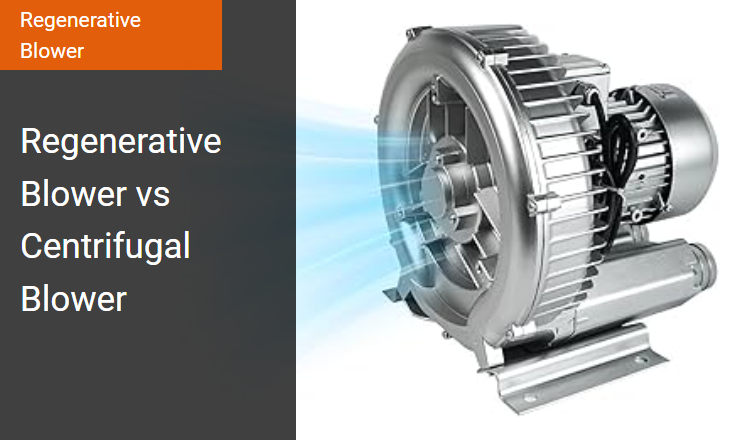
Regenerative Blower vs. Centrifugal Blower - Best High-Pressure System with the Regenerative Blower (Side Channel Blower)
Compare regenerative (side channel) and centrifugal blowers to choose the best high-pressure system for your industrial applications.
May 17, 2026
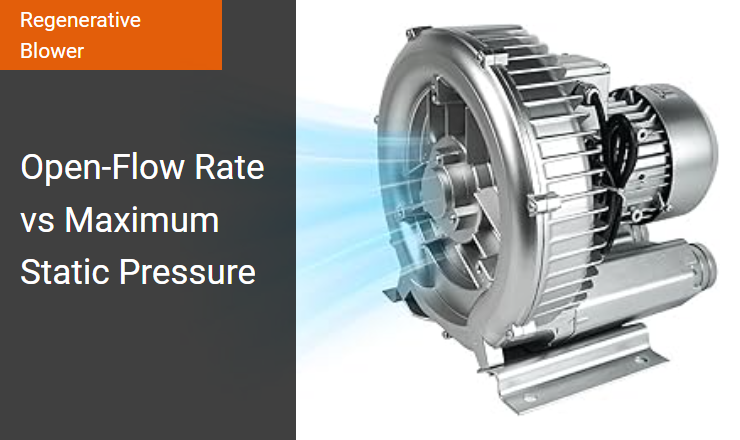
Open-Flow Rate vs. Maximum Static Pressure - Right Regenerative Blower for Pneumatic Conveying Systems
Learn how to select the right regenerative blower for pneumatic conveying by balancing open-flow rate and maximum static pressure for optimal system efficiency.
May 02, 2026
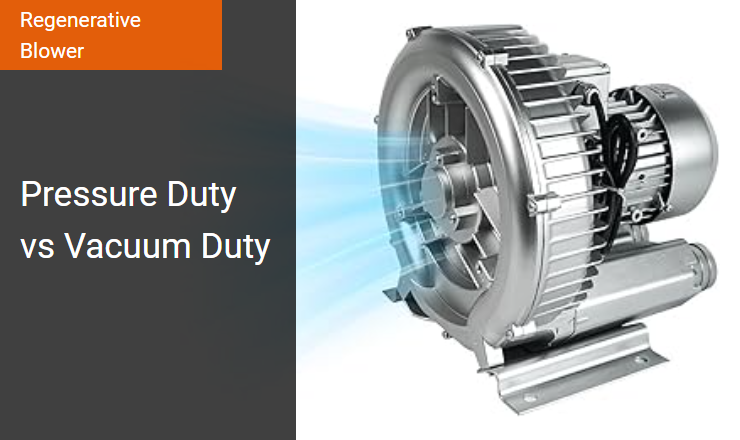
Pressure Duty vs. Vacuum Duty - Optimizing Regenerative Blower Performance for Differential Pressure Applications
Compare pressure duty vs. vacuum duty to optimize regenerative blower performance and maximize efficiency in differential pressure applications.
Apr 27, 2026
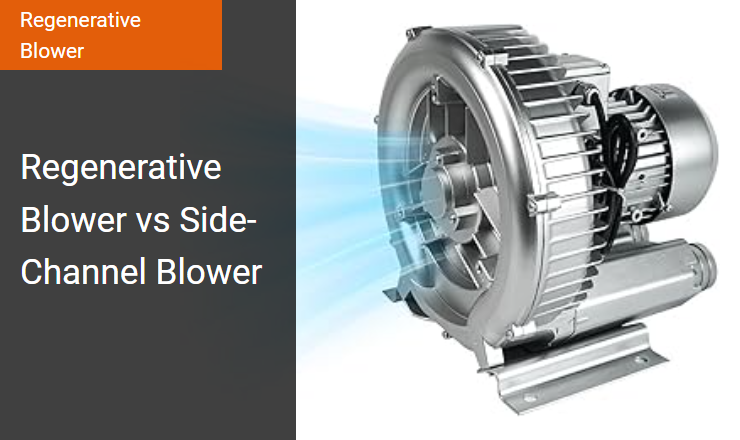
Regenerative Blowers vs. Side-Channel Blowers - Optimizing Industrial Air Movement Using Regenerative Blower (Dynamic Displacement) Technology
Discover the key differences between regenerative and side-channel blowers to optimize your industrial air movement with dynamic displacement technology.
Apr 19, 2026
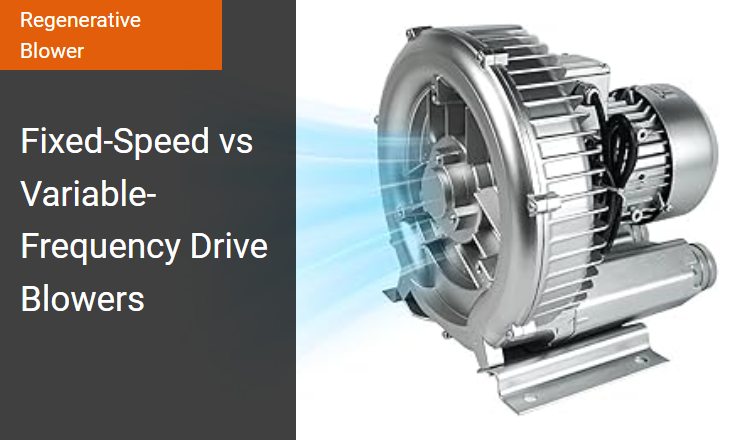
Fixed-Speed vs. Variable-Frequency Drive Blowers - Optimizing Regenerative Blower Airflow Efficiency in Ring Compressor Systems
Compare fixed-speed vs. VFD blowers to optimize airflow efficiency and maximize energy savings in regenerative ring compressor systems.
Mar 19, 2026
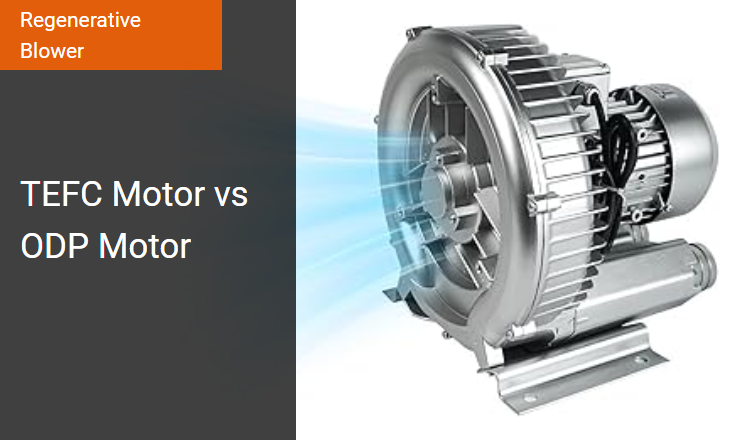
TEFC Motor vs ODP Motor - Optimal Enclosure for Regenerative Blower Dynamic Compression
Compare TEFC vs. ODP motor enclosures to select the optimal choice for your regenerative blower's dynamic compression and maximize system reliability.
Mar 13, 2026
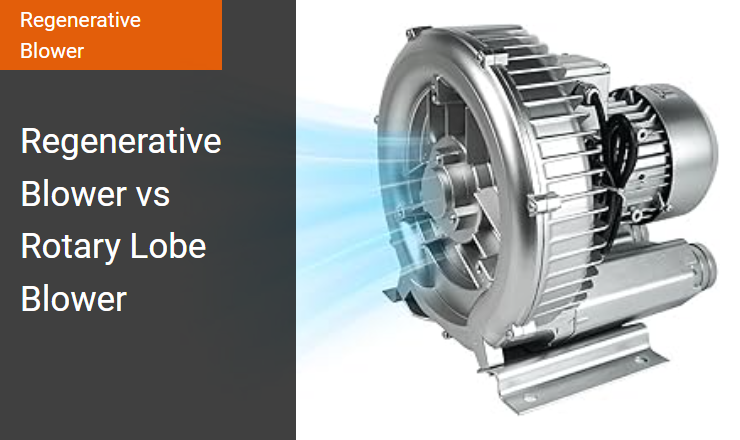
Regenerative Blowers vs. Rotary Lobe Blowers - Optimal System for Low-Pressure Aeration Using Side Channel Blower Technology
Compare regenerative (side channel) and rotary lobe blowers to select the most efficient and optimal system for your low-pressure aeration needs.
Feb 27, 2026
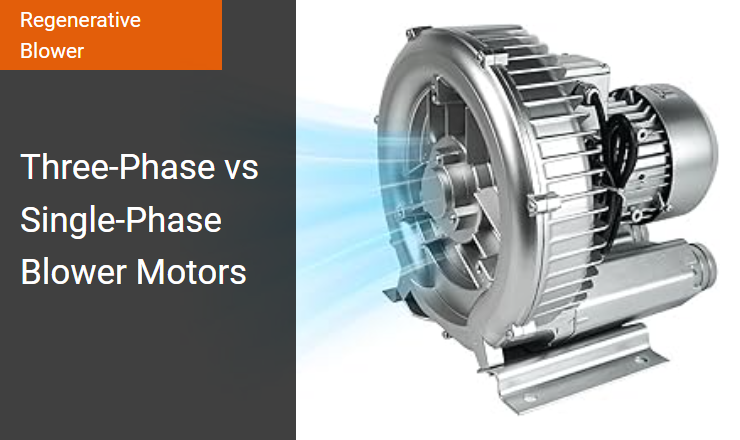
Three-Phase vs. Single-Phase Blower Motors - Optimizing Regenerative Blower Efficiency in Industrial Aeration
Compare single-phase vs. three-phase regenerative blower motors to optimize energy efficiency and performance in industrial aeration systems.
Feb 26, 2026
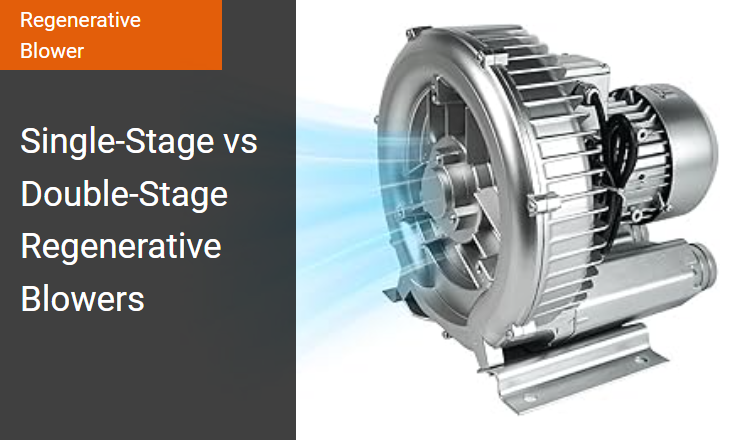
Single-Stage vs. Double-Stage - Maximizing Pressure and Flow in Regenerative Side Channel Blower Systems
Compare single-stage vs. double-stage regenerative side channel blowers to optimize your system for maximum pressure, flow, and efficiency.
Feb 25, 2026
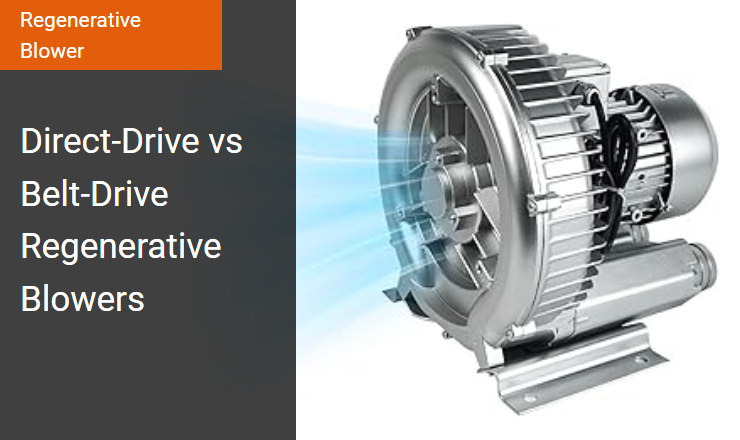
Direct-Drive vs. Belt-Drive - Ideal Regenerative Blower for Industrial Pneumatic Conveying
Compare direct-drive vs. belt-drive regenerative blowers to choose the most efficient and reliable system for your industrial pneumatic conveying application.
Feb 13, 2026
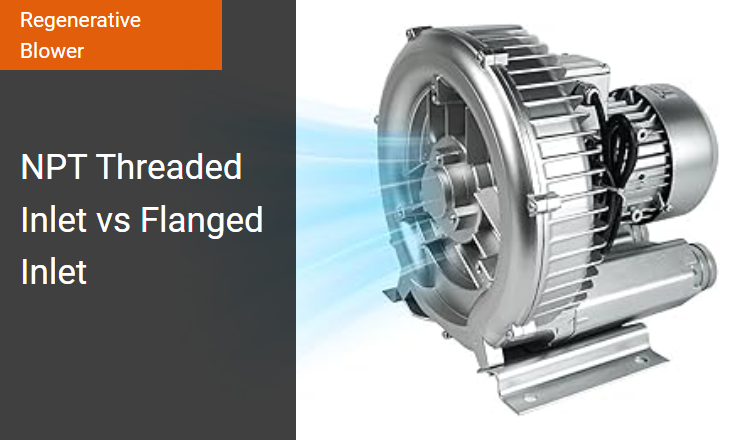
NPT Threaded Inlet vs Flanged Inlet - Optimal Port Connection for Regenerative Blower Pneumatic Systems
Compare NPT threaded vs. flanged inlets to find the optimal, leak-free port connection for your regenerative blower pneumatic system.
Jan 13, 2026
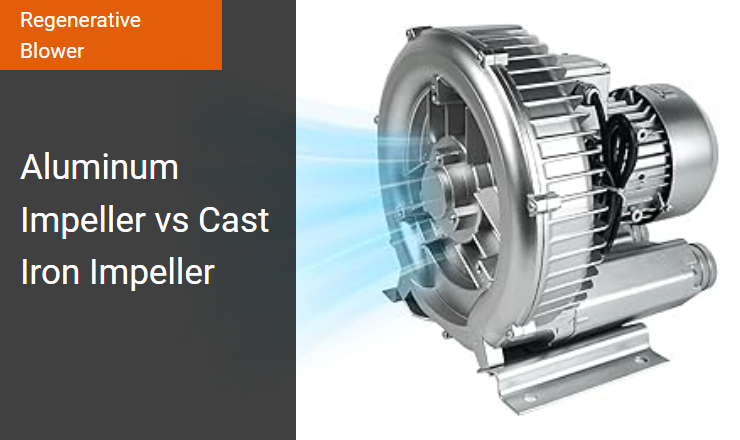
Aluminum vs. Cast Iron Impellers - Optimizing Regenerative Blower Dynamic Pressure Generation
Compare aluminum vs. cast iron impellers to optimize dynamic pressure generation and maximize performance in regenerative blowers.
Jan 11, 2026
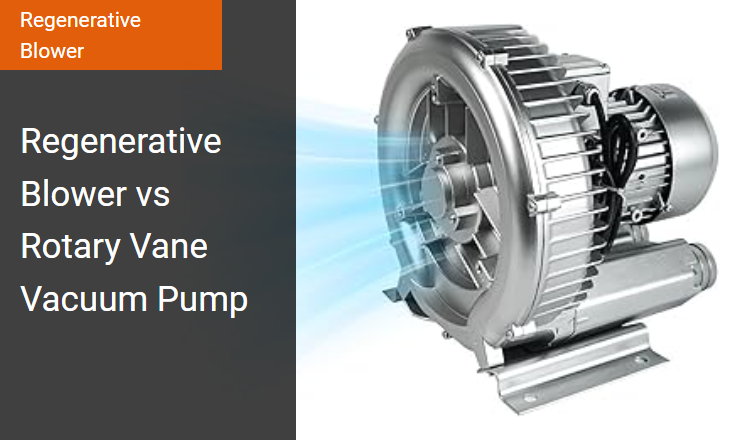
Regenerative Blower vs. Rotary Vane Vacuum Pump - Best Technology for High-Volume Air Handling with the Regenerative Blower (Side Channel Blower)
Compare regenerative blowers (side channel) and rotary vane vacuum pumps to choose the best technology for high-volume air handling.
Jan 02, 2026