
Milling Machine Category
Featured
Important Notes
Milling Machine Selection and Operation FAQ
What is the difference between a vertical and horizontal milling machine?
The primary difference lies in the spindle orientation. Vertical milling machines feature a spindle axis oriented vertically, making them ideal for end milling, drilling, and plunge cuts. Horizontal milling machines have a spindle oriented parallel to the floor, which excels at heavy material removal, slotting, and using gang cutters for complex profiles.
Which materials can be processed with a standard workshop milling machine?
A standard milling machine is highly versatile and can process a wide range of materials including metals (aluminum, steel, brass, and titanium), plastics (nylon, acetal, and polycarbonate), and hardwoods. The key to successful machining across different materials is selecting the appropriate cutting speed (RPM), feed rate, and specific cutter geometry.
What are the essential safety precautions when operating a mill?
Operators must always wear high-impact safety glasses and avoid loose clothing or jewelry that could become entangled in the rotating spindle. Never attempt to clear chips with your hands; use a brush or vacuum instead. Ensure the workpiece is securely clamped in a vise or to the table, and always remove the drawbar wrench or chuck key before starting the motor.
How do I choose the right end mill for my project?
Selection depends on the material and the type of cut. For general purpose aluminum work, two-flute high-speed steel (HSS) or carbide end mills are preferred for chip clearance. For harder steels, four-flute carbide mills offer better finish and tool life. Use "ball nose" end mills for 3D contouring and "square end" mills for flat pockets and 90-degree shoulders.
What is the difference between climb milling and conventional milling?
In conventional milling, the cutter rotates against the direction of the feed, which is safer for manual machines with backlash. In climb milling, the cutter rotates with the feed, pulling the material into the tool. Climb milling typically produces a superior surface finish and longer tool life but should only be performed on rigid machines or those equipped with a backlash eliminator.
Find Packaging Ideas
Our Articles on Milling Machine
Square End Mill vs Ball Nose End Mill - Right Cutter for Milling Machine 3D Contouring
Compare square end mills vs. ball nose end mills to choose the right cutter for your CNC milling machine's 3D contouring projects.
May 27, 2026
CNC Milling vs Manual Milling - Right Milling Machine for High-Precision Subtractive Manufacturing
Compare CNC vs. manual milling and learn how to select the ideal subtractive manufacturing machine for your high-precision production needs.
May 16, 2026
Servo Motor vs Stepper Motor - Optimizing Axis Positioning Precision in CNC Milling Machines
Compare servo vs. stepper motors to optimize axis positioning precision and maximize the performance of your CNC milling machine.
Apr 21, 2026
Center Cutting vs Non-Center Cutting End Mills - Right Tool for Plunge Milling on a Milling Machine
Learn the differences between center cutting and non-center cutting end mills to select the perfect tool for plunge milling on your milling machine.
Apr 07, 2026
Ball Screw vs Lead Screw - Optimizing Linear Motion Precision in Milling Machine Feed Drives
Compare ball screws vs. lead screws to optimize linear motion precision, efficiency, and performance in milling machine feed drives.
Apr 05, 2026
Climb Milling vs Conventional Milling - Optimizing Cutting Forces and Surface Finish on a Milling Machine
Compare climb vs. conventional milling to optimize cutting forces and achieve a flawless surface finish on your milling machine.
Mar 12, 2026
Roughing End Mill vs Finishing End Mill - Optimizing Material Removal Rate and Surface Finish in Milling Machine Operations
Compare roughing vs. finishing end mills to optimize your material removal rate (MRR) and achieve flawless surface finishes in CNC milling operations.
Mar 07, 2026
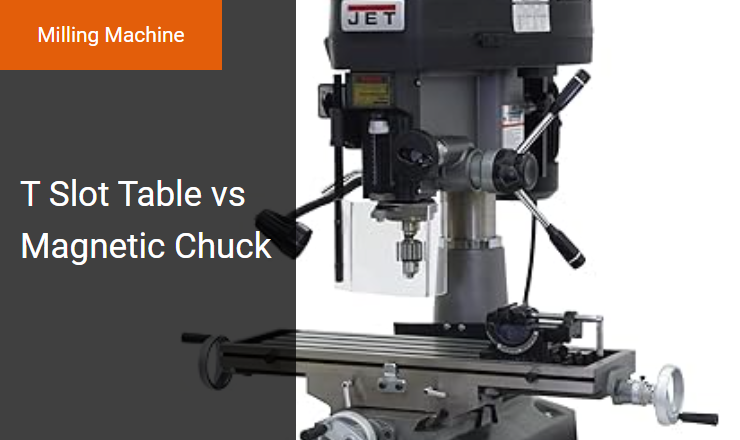
T-Slot Table vs. Magnetic Chuck - Best Workholding Method for Milling Machine Workpiece Clamping
T-slot table or magnetic chuck? Compare the pros, cons, and best applications of each workholding method for milling machine workpiece clamping.
Mar 04, 2026
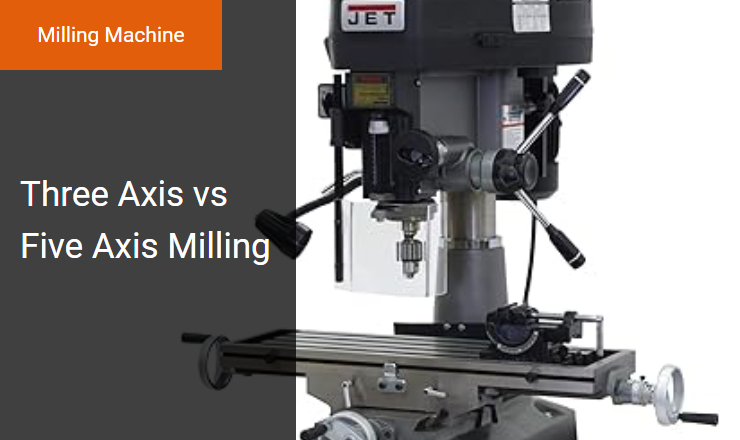
Three-Axis vs. Five-Axis - Optimal CNC Milling Machine for Complex Geometric Machining
Compare 3-axis vs. 5-axis CNC milling machines and discover how to choose the optimal setup for machining complex geometric parts efficiently.
Feb 18, 2026
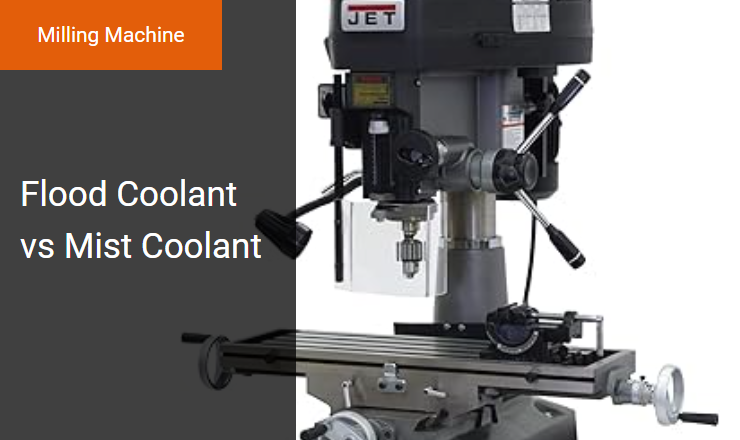
Flood Coolant vs Mist Coolant - Optimizing Chip Evacuation in Milling Machine Operations
Compare flood coolant vs. mist coolant to discover the best system for optimizing chip evacuation and performance in your milling machine operations.
Feb 15, 2026
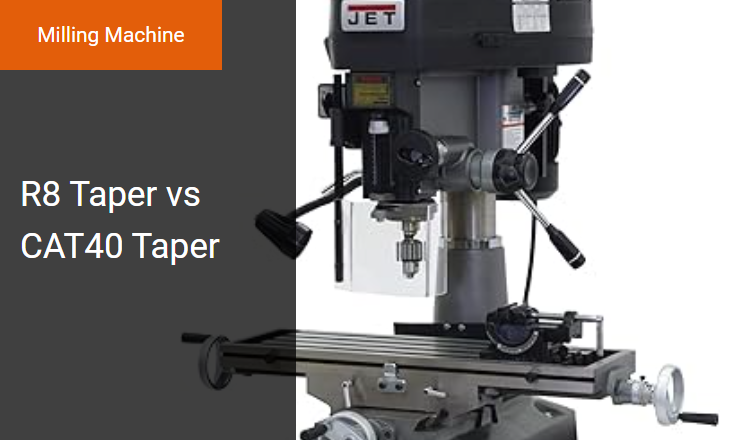
R8 Taper vs. CAT40 Taper - Optimal Spindle Interface for Milling Machine Rigidity
Compare R8 vs. CAT40 spindle tapers to find the optimal interface for milling machine rigidity, torque, and machining performance.
Feb 14, 2026
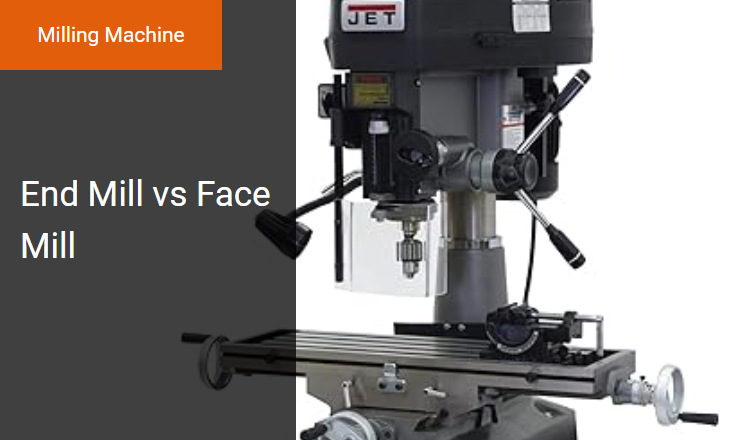
End Mill vs Face Mill - Optimizing Material Removal Rate on a Milling Machine
Compare end mills vs. face mills to optimize your material removal rate (MRR) and maximize efficiency on your milling machine.
Feb 13, 2026
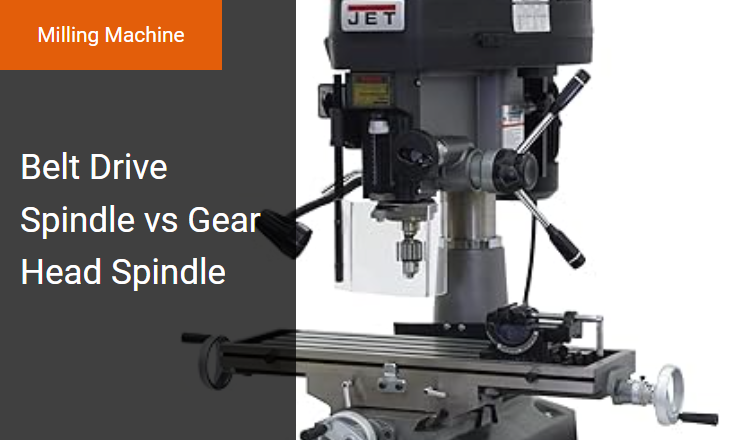
Belt Drive Spindle vs Gear Head Spindle - Best Power Transmission for Milling Machine Torque and RPM
Compare belt drive vs. gear head spindles to find the best power transmission for your milling machine's torque, speed, and machining requirements.
Feb 01, 2026
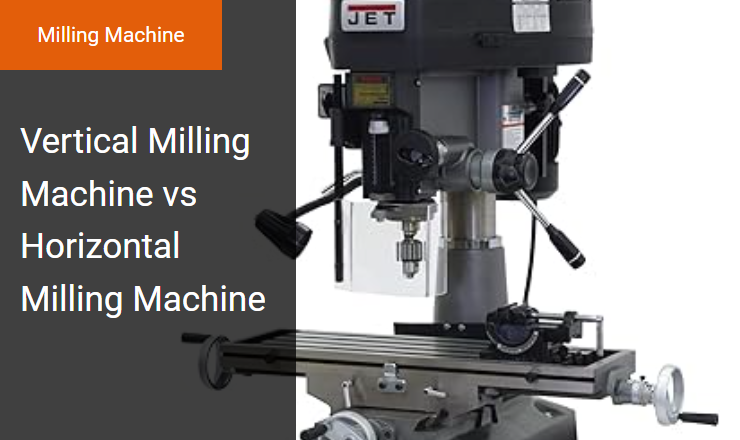
Vertical Milling Machine vs Horizontal Milling Machine - Optimal Spindle Orientation for Advanced Milling Machine Operations
Compare vertical vs. horizontal milling machines to choose the optimal spindle orientation for your advanced machining and manufacturing needs.
Jan 25, 2026
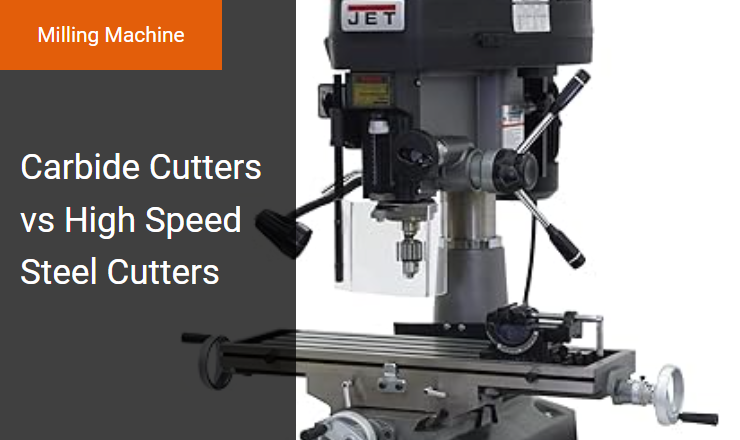
Carbide Cutters vs. High-Speed Steel Cutters - Maximizing Material Removal Rate in Milling Machine Operations
Compare carbide vs. HSS cutters to maximize your milling machine's material removal rate (MRR) and choose the best tool for high-efficiency machining.
Jan 24, 2026
Fly Cutter vs Face Mill - Optimizing Surface Finish in Milling Machine Facing Operations
Fly cutter vs. face mill: Discover which tool delivers the ultimate surface finish and how to optimize your milling machine facing operations.
Jan 23, 2026
Collet vs Chuck - Optimizing Tool Holding Efficiency in Milling Machine Spindles
Collet vs. chuck: Discover the best tool holding system to optimize accuracy, grip, and efficiency in your milling machine spindle.
Jan 22, 2026
Knee Mill vs Bed Mill - Right Milling Machine for Spindle Rigidity and Workpiece Capacity
Compare knee mills vs. bed mills to find the right milling machine for your shop based on spindle rigidity, workpiece capacity, and machining needs.
Jan 15, 2026
Linear Guides vs. Box Ways - Optimal Guideway System for Milling Machine Rigidity and Precision
Compare linear guides and box ways to choose the optimal milling machine guideway system for your specific rigidity, speed, and precision requirements.
Jan 05, 2026
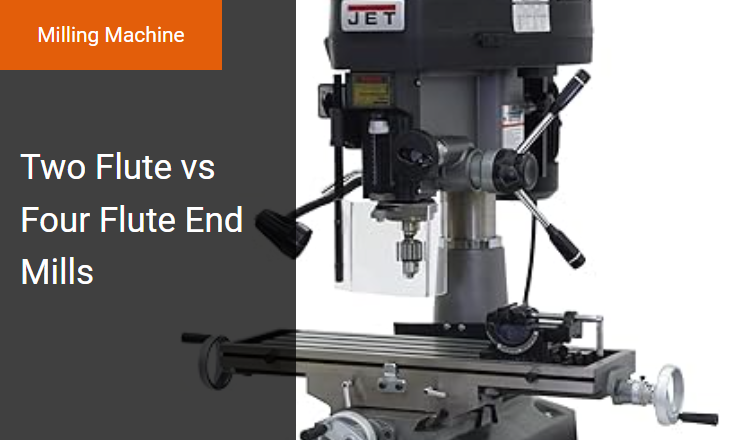
Two-Flute vs. Four-Flute End Mills - Optimizing Chip Evacuation and Feed Rates on a Milling Machine
Compare 2-flute vs. 4-flute end mills to optimize chip evacuation and feed rates for maximum performance on your milling machine.
Jan 02, 2026