
Polisher Category
Featured
Important Notes
Polisher Power Tool Frequently Asked Questions
What is the difference between a rotary and a dual-action (DA) polisher?
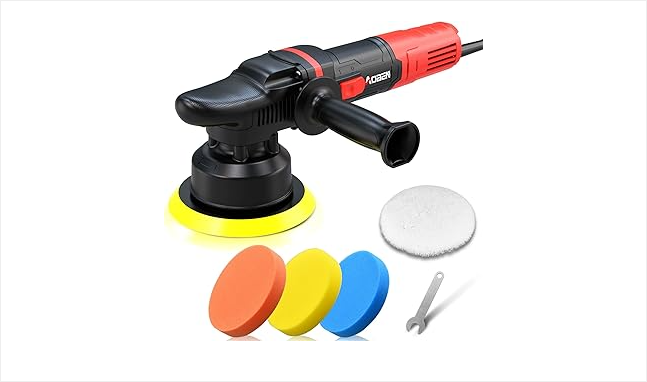
A rotary polisher rotates on a single axis at high speeds, making it ideal for aggressive paint correction and removing deep scratches, though it requires professional skill to avoid paint burn. A dual-action (DA) polisher oscillates and rotates simultaneously, which generates less heat and is significantly safer for beginners and DIY enthusiasts.
How do I choose the right polishing pad for my project?
Pads are generally color-coded based on their density and aggressiveness. Foam cutting pads are firm and used for heavy defect removal, polishing pads are medium-density for enhancing gloss, and finishing pads are soft for applying waxes or sealants. Always match the pad's cutting level to the severity of the surface imperfections.
What speed setting should I use for machine polishing?
For spreading product, use a low speed (1-2). For actual paint correction and removing swirls, a medium-to-high speed (4-5) is typically required to generate enough friction. When applying a final wax or sealant, return to a low speed (1-2) to ensure even coverage without stripping the previous layers.
Can a power polisher damage my car's paint?
Yes, if used incorrectly, a polisher can cause "burn through," especially on sharp edges or plastic bumpers where heat dissipates slowly. To minimize risk, keep the polisher moving constantly, avoid applying excessive downward pressure, and start with the least aggressive pad and polish combination necessary.
How often should I polish my vehicle?
Polishing removes a microscopic layer of clear coat, so it should be done sparingly-typically no more than once or twice a year. Regular maintenance should focus on "claying" and "waxing." Only use a power polisher when the paint exhibits visible oxidation, swirl marks, or light scratches that diminish the surface clarity.
Find Packaging Ideas
Our Articles on Polisher
Microfiber Pads vs Foam Pads - Achieving Optimal Paint Correction with a Dual-Action Polisher
Discover whether microfiber or foam pads are best for your dual-action polisher to achieve optimal paint correction and a flawless, swirl-free finish.
May 25, 2026
Gear Driven vs Random Orbital - Best Dual Action Polisher for Paint Correction
Compare gear-driven vs. random orbital dual action polishers to find the best tool for your paint correction needs and achieve a flawless finish.
May 25, 2026
Rotary vs. Gear Driven - Optimal Polisher for Paint Correction
Choosing between a rotary and gear-driven polisher? Discover the key differences to select the optimal tool for your paint correction and detailing needs.
May 24, 2026
Long Throw vs. Short Throw - Best Dual Action Polisher Orbit for Paint Correction
Compare long throw vs. short throw dual action polishers to choose the perfect orbit size for your paint correction and car detailing needs.
May 03, 2026
5-Inch vs. 6-Inch Backing Plates - Optimizing Paint Correction on a Dual Action Polisher
Discover whether a 5-inch or 6-inch backing plate delivers the best paint correction results and efficiency on your dual action polisher.
Apr 13, 2026
Pneumatic vs. Electric - Right Dual-Action Polisher for Paint Correction
Deciding between a pneumatic or electric dual-action polisher? Compare the pros, cons, and performance of each to choose the perfect paint correction tool.
Apr 11, 2026
Electronic Speed Control vs Manual Speed Control - Maintaining Constant Torque for Efficient Polisher Paint Correction
Compare electronic vs. manual speed control in polishers to see how maintaining constant torque delivers faster, more efficient paint correction.
Mar 23, 2026
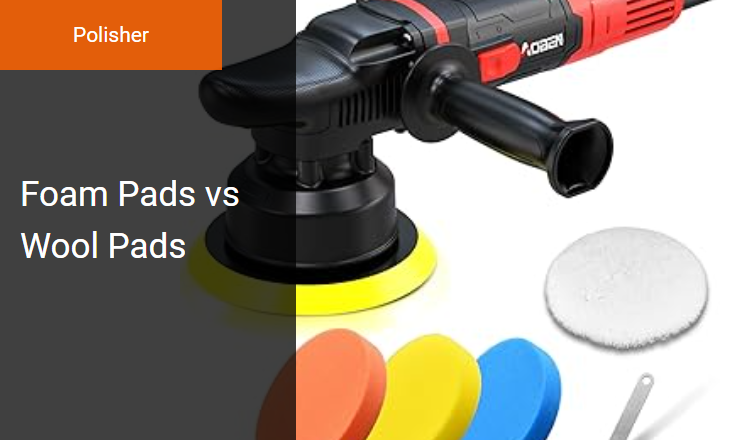
Foam Pads vs. Wool Pads - Ideal Media for Paint Correction with a Rotary Polisher
Compare foam vs. wool pads for paint correction with a rotary polisher and learn how to choose the perfect detailing media for a flawless finish.
Mar 11, 2026
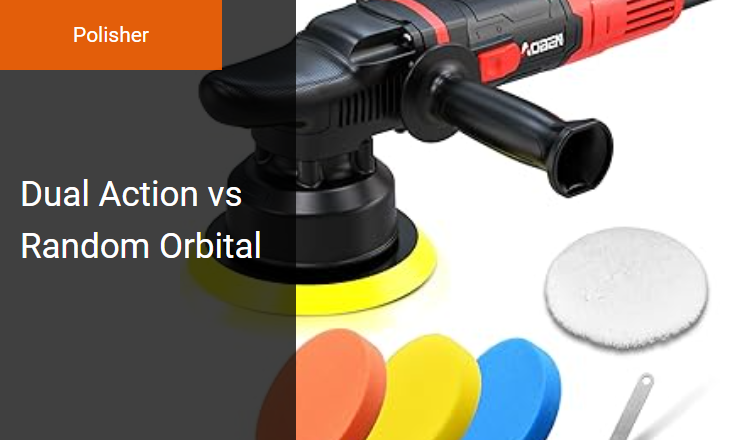
Dual Action vs. Random Orbital - Best Detailing Polisher for Paint Correction
Compare Dual Action vs. Random Orbital polishers to find the ultimate detailing tool for flawless paint correction and professional-grade results.
Mar 05, 2026
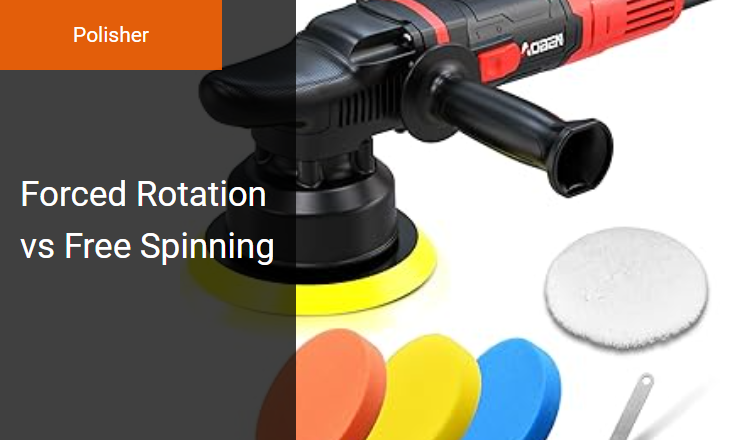
Forced Rotation vs. Free Spinning - Achieving Flawless Paint Correction with Dual Action Polishers
Discover the difference between forced rotation and free spinning dual action polishers to choose the perfect tool for flawless paint correction.
Feb 01, 2026
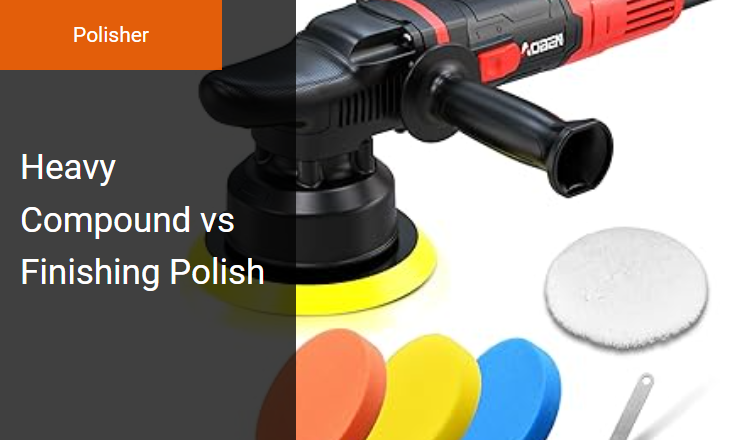
Heavy Compound vs Finishing Polish - Mastering Paint Correction with a Dual-Action Polisher
Master paint correction: Learn when to use heavy compound vs. finishing polish with a dual-action polisher to achieve a flawless, swirl-free finish.
Jan 20, 2026
Rotary vs. Dual Action - Best Polisher for Paint Correction
Rotary vs. dual action: Discover the key differences and choose the best car polisher for flawless paint correction.
Jan 10, 2026
15mm vs 21mm Throw - Ideal Dual Action Polisher for Paint Correction
Deciding between a 15mm and 21mm throw? Discover the key differences to choose the perfect dual action polisher for your paint correction needs.
Jan 05, 2026